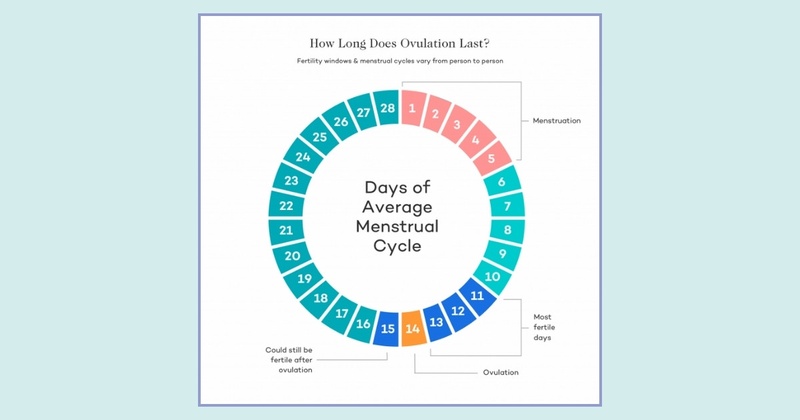
For the longest time I thought I had a "normal" 28-day cycle. That's what every health class and every app defaults to, right? 28 days, ovulate on day 14, period on day 1. Simple.
Except my body didn't get that memo.
Last October my cycle was 31 days. November it dropped to 27. December — and I remember this one specifically because it was right before winter break — it stretched to 34 days. I spent two weeks convinced I was pregnant even though we weren't trying. Negative test after negative test. Then my period showed up like nothing happened, three days into the new year.
What I Found in My Data
Once I started logging everything — not just period start dates but sleep, stress, exercise, even what I ate — a pattern emerged. Not a perfect pattern, but enough to stop me from panicking every time my cycle shifted.
Stress is the big one. The 34-day cycle? That was the month my school district announced layoffs. I didn't think I was that stressed about it. I mean, my job was safe. But apparently my ovaries disagreed. Cortisol delays ovulation, and delayed ovulation means a longer cycle.
Travel messes with everything. I went to visit my sister in Denver in February. Time zone change, different bed, different everything. My cycle that month was 29 days, which sounds close to normal, but my ovulation was late. Day 18 instead of day 14.
Exercise intensity matters. This one surprised me. I started doing HIIT classes in January. My next two cycles were both 26 days. Shorter. I looked it up and yeah, intense exercise can shorten the luteal phase. I dialed it back to yoga and walking in March and boom, back to 30 days.
What "Normal" Actually Means
According to the Cleveland Clinic, a normal cycle can range from 21 to 35 days. That's a huge window. And within that window, variation of up to 7-9 days from cycle to cycle is still considered regular for many women.
I didn't know that. I thought 28 days was the rule and anything else was a problem. Turns out 28 is just the average of a very wide range.
Now when my app predicts ovulation on day 14, I laugh a little. My actual ovulation has happened anywhere from day 12 to day 20. The only way I know is by tracking cervical mucus and BBT together.
The Thing About Apps
Most period apps use a calendar algorithm. They assume you ovulate 14 days before your next period, based on your average cycle length. But if your cycle varies — and mine definitely does — that assumption is wrong.
I've been using our Ovulation Calculator Predict your next ovulation date and fertile window based on your cycle history. All data stays in your browser — we never see it. alongside my manual tracking, and honestly? The calculator is more honest about being an estimate. It doesn't pretend to know my body better than I do.
Anyway. I'm not a doctor. This is just what I've noticed in my own data over the past year of tracking. If your cycles are wildly irregular — like varying by more than 9 days consistently — definitely talk to a healthcare provider. PCOS, thyroid issues, and other conditions can cause that.
But if you're like me and your cycle bounces between 27 and 33 days? You're probably fine. Your body is just responding to life. Track it, learn from it, and stop letting apps tell you what's "supposed" to happen.